

PSYCHE
ART
SOMA
Embody your expression.
Why choose art therapy?
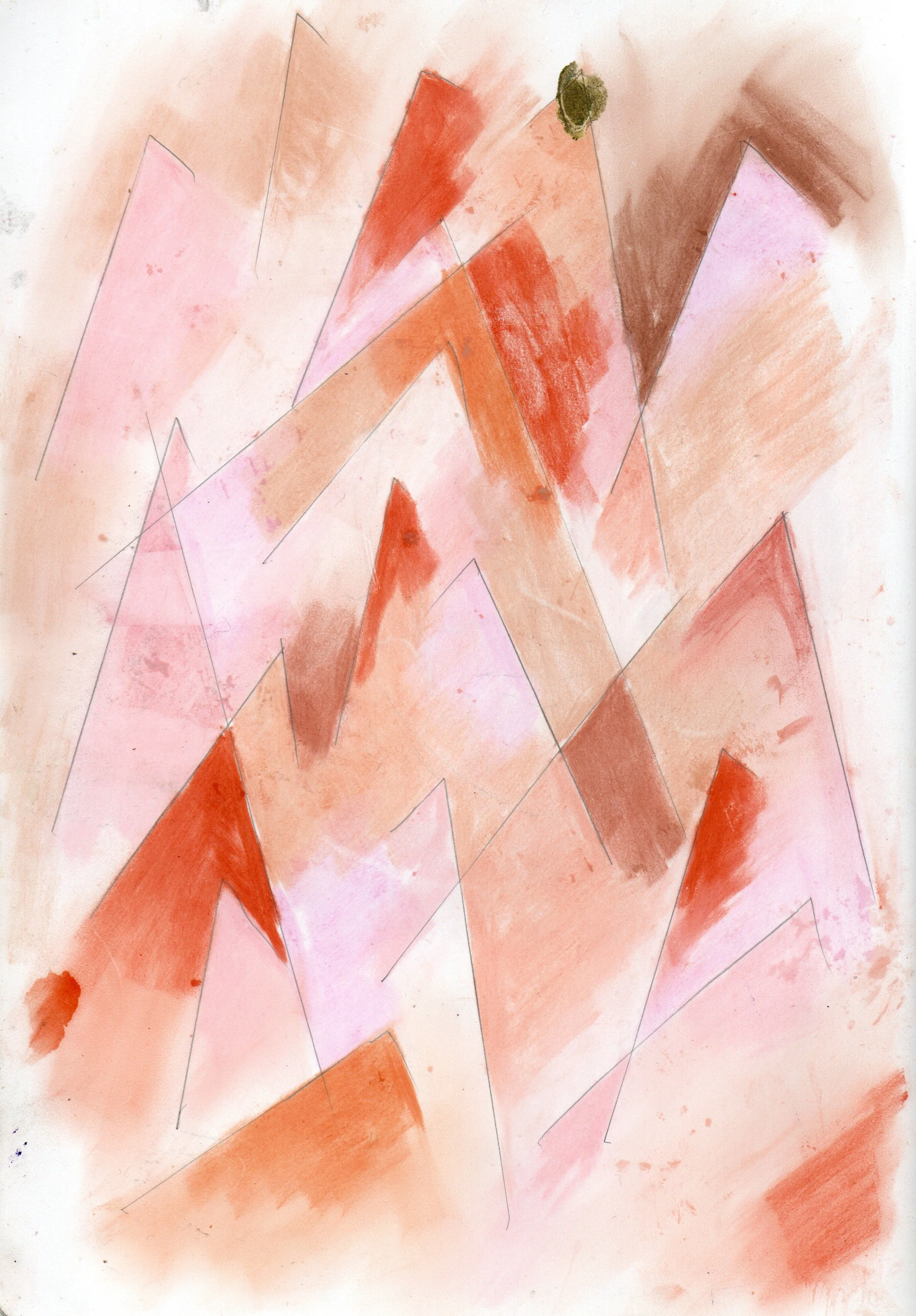
Sometimes words alone cannot capture the depth of our feelings. Art therapy opens another door: a way of expressing yourself through image, colour, and form. Your artwork becomes a record of your inner world, a witness to your story, and sometimes even a guide pointing toward new understanding. Scribbles, symbols, or abstract marks can hold just as much meaning as detailed drawings.
My approach
Some clients may prefer mostly talking, others lean into creative work, and many move fluidly between the two. There is no “right way” to do therapy; what matters is that the process feels meaningful and supportive to you.
Every session is shaped by your needs. Sometimes you may want to spend more time talking; other times you may feel drawn to create. Often, there is a natural rhythm between the two, as art opens up insights and conversation. Together, we attend to both the spoken and unspoken, using art as a way of giving form to what may be difficult to express in words.
I provide a variety of art materials and can offer gentle guidance or prompts if you wish, though you are always free to use them however feels right. There is no pressure to make a “finished” piece — the value is in the process. You set the pace, and I will follow your lead. Sessions are collaborative, spacious, and respectful, offering a balance of structure and freedom.
Practice details
-
The artistic process and materials themselves are therapeutic. Clay, paint, or charcoal can hold emotional intensity and give form to what has felt too much to carry. Making becomes a way to move trauma or unspoken feelings into the world, where they can be seen and worked with.
-
Our psyches have a structure, just like our bodies. We have our conscious awareness, and we also have an unconscious — what Carl Jung called the Shadow. The Shadow often shapes events, behaviours, and patterns that keep us from what we long for. Through intentional conversation and creative exploration, therapy can reveal what’s hidden and bring it into the light.
-
We are not just one self, but many. Aspects of our psyche may have become frozen in time during moments of trauma or dysfunction in childhood. By speaking with and relating to these parts with love and compassion, we can learn what they need and begin to heal.
-
My practice weaves together psychodynamic understanding, trauma-informed care, and a person-centred approach, alongside neuroscience that reveals our mind/body connection. This means I hold awareness of the unconscious and how the stories beneath the surface reveal themselves in our somatic responses and defence mechanisms.
-
Therapist and client work as a team. I believe therapy works best when it is collaborative: you are the expert of your own life, and my role is to support you in unfolding and understanding it.
-
Therapy is a real relationship. In building trust together, we create the possibility for old relational wounds to be repaired and for new ways of relating to emerge — both in the therapy room and in your life beyond it.
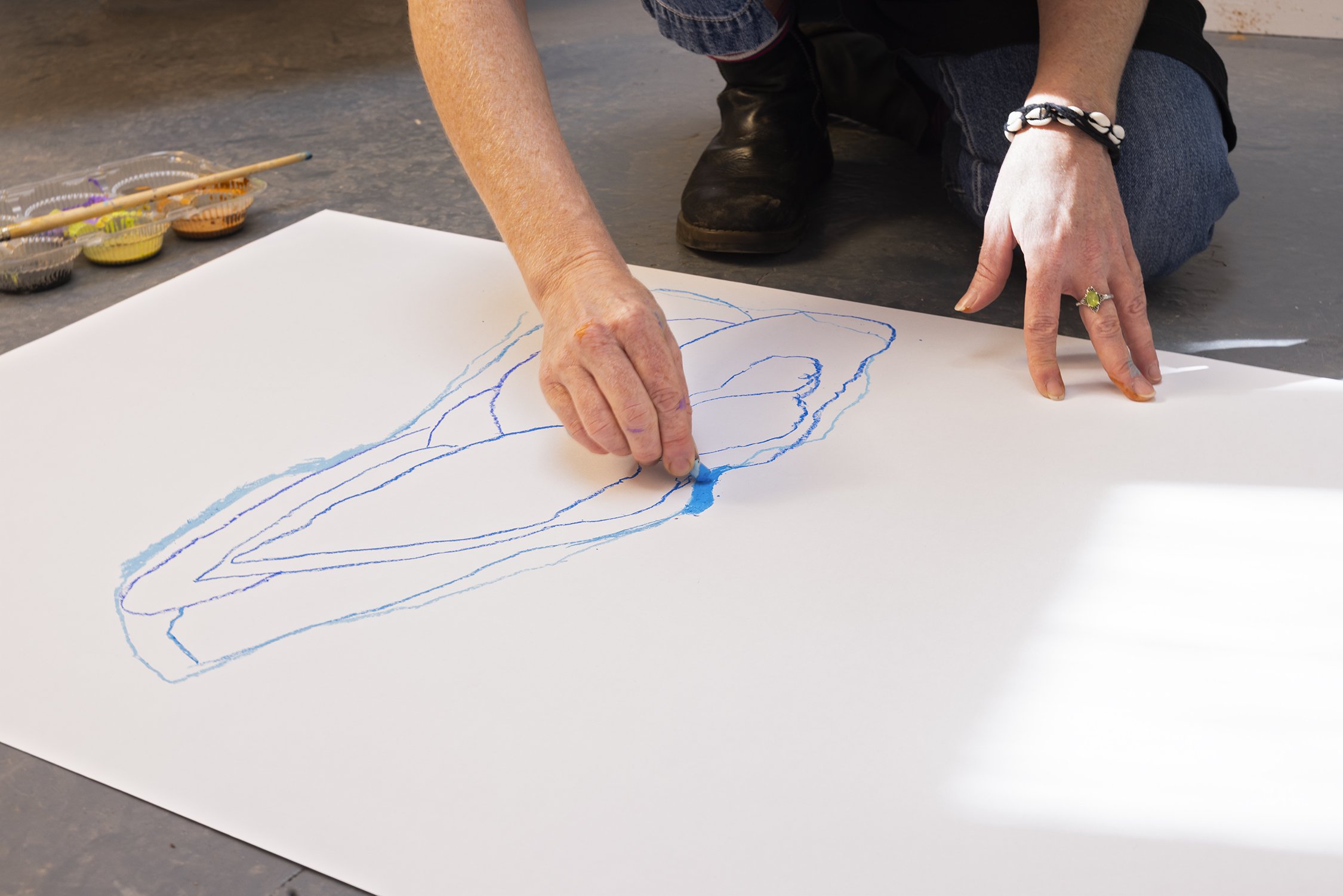
The Art in Art Therapy
Using our hands to hold clay, or feeling the scrub of a brush on canvas, gives us sensations that can ground, calm, soothe, and release. Art provides not only expression but also healing - a way of reclaiming your power and reconnecting with your true self.
Research shows that making images or objects with your hands increases your sense of worth and pride; something that modern life often strips away. Art making is a way of reclaiming yourself.
But what if I’m not good at art?
One of the most common worries people have is: “But I’m not an artist.” The truth is, you don’t need any artistic skill to benefit from art therapy, just a willingness to try something new. This is not an art class, and I am not here to judge your work. The value lies in the act of making — the colours you choose, the marks you leave, the feelings that arise in the process.
Some clients draw stick figures, some scribble or paint shapes, others tear paper or mould clay. We can also take a broad approach — perhaps snapping photos on your phone or jotting down a poem. All of these are valid forms of expression. The art becomes a bridge between your inner world and the outer one, something tangible we can explore together. What emerges is often surprising, and always valuable, no matter how “simple” it seems.
Art therapy can benefit people of all ages and backgrounds. It is particularly supportive for those who have found that traditional talk therapy doesn’t fully meet their needs, or who struggle to put complex thoughts and feelings into words.
About Containment
In psychotherapy, “containment” refers to a sense of being emotionally held. Many of us carry feelings that feel too intense, confusing, or shameful to share. In therapy, I offer myself as a container: someone who can receive your emotions without judgment and help you process them in a way that feels safer and more manageable. Containment does not mean controlling or suppressing feelings
It means creating a vessel sturdy enough to hold them. The therapy room, and the structure of our sessions, provide that holding. Through both art-making and dialogue, we can explore feelings that might otherwise spill over or stay buried, bringing relief in knowing you don’t have to carry them alone.